
.png)
-
Implementation Period: November 2025 – May 2026
-
Location: Raqqa, Syria
-
Donor: Adopt a Revolution
-
Direct Beneficiaries: 250 farmers and livestock breeders
-
Indirect Beneficiaries: 2,500 community members
Project Overview
The project aims to strengthen political awareness and civic participation among farmers and livestock breeders in Raqqa, with a particular focus on rights-based engagement, democratic practices, and inclusive local governance. The project responds to the structural marginalization of rural communities by equipping farmers with the knowledge, tools, and collective platforms needed to engage effectively in public decision-making processes that affect their livelihoods and rights.
Beyond individual awareness, the project works at the institutional and community levels to promote transparency, accountability, and participatory governance within agricultural and rural development structures. By fostering dialogue and cooperation between farmer representatives, local authorities, and community actors, the initiative seeks to contribute to more resilient agricultural systems and improved local governance grounded in civic responsibility and social trust.
Objectives
The project seeks to enhance farmers’ understanding of citizenship, political participation, and their legal and social rights, while strengthening democratic and participatory practices within locally relevant institutions such as agricultural associations. It also aims to improve internal procedures, transparency, and accountability among organizations working in agriculture and rural development, thereby increasing their effectiveness and public legitimacy. A core objective is to deepen cooperation between farmer representatives, local authorities, and community stakeholders in order to jointly promote good governance, agricultural resilience, and the protection of farmers’ rights.
Key Activities
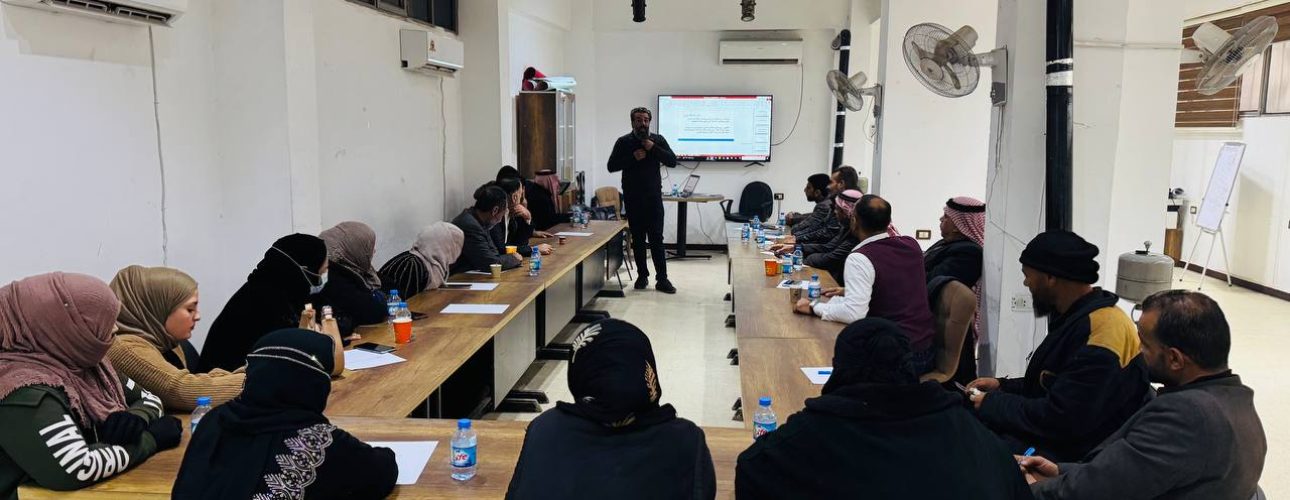
The project delivers a structured civic education program consisting of six interactive sessions covering citizenship concepts, farmers’ and livestock breeders’ rights, political participation mechanisms, the role of unions, transparency and participatory leadership, conflict resolution, and practical case studies of farmer-led social change.
In parallel, three capacity-building workshops are conducted to strengthen advocacy skills, community dialogue and collective decision-making mechanisms, and the application of good governance and accountability principles within local organizations.
To ensure sustainability and policy relevance, the project facilitates three multi-stakeholder dialogue processes that bring together farmers, community actors, and local authorities to discuss agricultural and political challenges. These dialogues culminate in the development of a policy paper or strategic document outlining shared roles, coordination mechanisms, and a practical roadmap for community-based change.