.png)
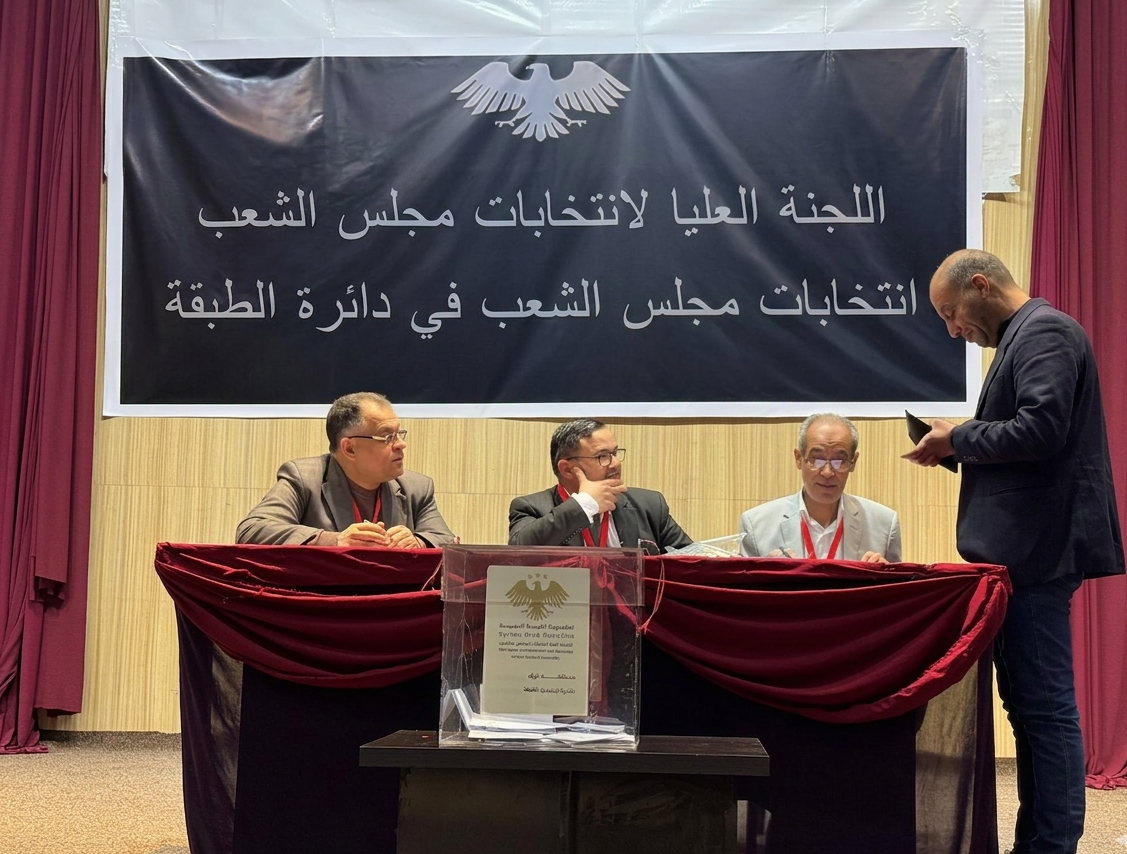
The results of the electoral process in Raqqa reveal that they were not decided based on the simple equation of “tribal size = number of votes.” Instead, they followed more complex dynamics, most notably the fragmentation of unified tribal blocs and the emergence of cross-tribal alliances. Additionally, organized groups—such as the informal bloc of withdrawers—played a decisive role. This indicates a gradual transition from the logic of rigid tribal representation to a logic of flexible “network voting” that is reshaping the map of electoral power.
Another unavoidable aspect of this electoral experience is the weak participation of women, both in terms of candidacy for electoral bodies and their presence within the final electoral assemblies. This reality became even more apparent with the total absence of women from the lists of winners, clearly reflecting the continued dominance of traditional stereotypes that view political work as a primarily male domain. This has significant implications regarding the weakness of incentive policies and support mechanisms for women’s involvement in political life. It necessitates the design of empowerment and political participation programs for women based on more accurate, realistic assessments to gain a deeper understanding of this reality and propose more logical and effective scientific solutions.